Download Windows Xp Image For Vmware Fix
Legacy code operability: Many previous applications and software happened to be created for Windows XP and might not be compatible with recent versions of Windows. Through running Windows XP on VMware, you can utilize these tools as if you were running them on a actual device. Analyzing and engineering
Acquiring a Windows XP File for VMware: A Complete Manual Do you seeking to run Windows XP on your modern computer, but refuse to want to setup it immediately on your hardware? Would you need to try or employ aged programs and apps that are no further consistent with newer releases of Windows? Assuming so, you’re in clover. Through VMware, you can generate a virtual system (VM) that runs Windows XP, permitting you to utilize the OS system in a sandboxed setting. Inside this article, we’ll reveal you how to download a Windows XP image for VMware and start initiated with operating the iconic operating platform. Reasons Execute Windows XP on VMware? Prior to we delve into the process of downloading a Windows XP image for VMware, let’s review why you would want to operate Windows XP on a virtual system in the initial place. Below are a handful of motives:
Legacy application usability: Many older applications and software programs were built for Windows XP and could not be functional with modern versions of Windows. Through running Windows XP on VMware, you can employ these tools as if you were launching them on a real computer. Evaluating and development
How to Install Windows® 10 To A GUID Partition Table (GPT)
Properly Install Windows® 10 on Your Storage Disk With UEFI Enabled In The System BIOS And The GPT (GUID Partition Table) Created
Summary
We recommend performing Windows® 10 installations enabling UEFI with a GUID Partition Table (GPT).
Some features may not be available if you use the Master Boot Record (MBR) style partition table.
Configure a system to install an OS to a GUID Partition Table (GPT) partition
| Note |
- We highly recommended performing a backup of your data. If you have a second disk drive with enough available capacity, you can create a system image and recover the full installation as it was before you started this procedure.
- Screenshots and directions below are examples. Consult with your motherboard or system manufacturer for specific BIOS instructions.
|
- Connect a USB Windows® 10 UEFI install key
- Boot the system into the BIOS (for example, using "F2" or the "Delete" key)
- Locate the "Boot Options Menu"
- Set Launch CSM to "Enabled." If CSM is set to "Disabled," you can skip to step 8 below
- Set Boot Device Control to "UEFI Only"
- Set Boot from Storage Devices to UEFI driver first
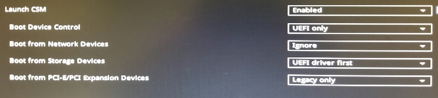
- Save your changes and restart the system.
- Reenter the BIOS (for example, using "F2" or the "Delete" key).
- Confirm in the Boot Priority List that the "USB UEFI OS Boot" option is at the top of the list.
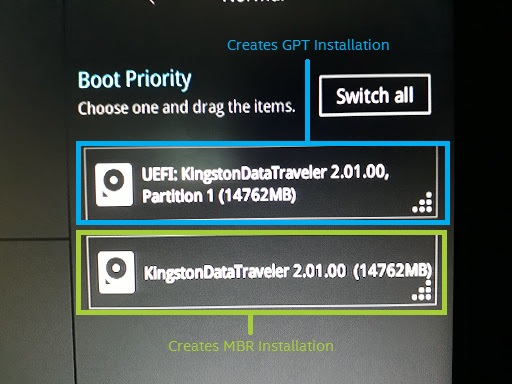
- Reboot the system and install Windows* as usual.
Confirm that Windows* is installed to a GPT partition. download windows xp image for vmware
- Boot into Windows*
- Open Disk Manager (For Windows® 10, press the "Windows*" key and the "X" key simultaneously, then click "Disk Manager"). You see three partitions including the EFI System Partition.
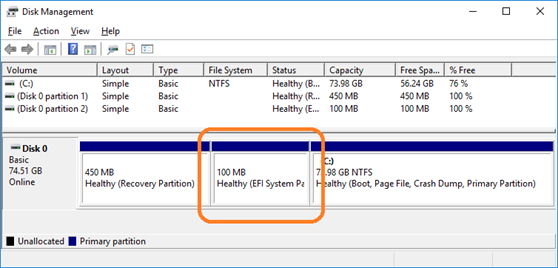
3. Right-click the disk shown as (Disk x, Basic, Capacity, Online) on the left
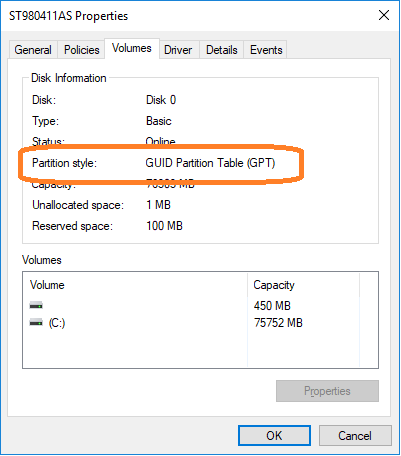
4. Select "Properties"
5. Click the "Volumes" tab. Here you can confirm the "Partition style".
Questions? Check out our Community Forum for help. Would you need to try or employ aged
Issues? Contact Solidigm™ Customer Support:
[Chinese] [English] [German] [Japanese] [Korean]
Legacy code operability: Many previous applications and software happened to be created for Windows XP and might not be compatible with recent versions of Windows. Through running Windows XP on VMware, you can utilize these tools as if you were running them on a actual device. Analyzing and engineering
Acquiring a Windows XP File for VMware: A Complete Manual Do you seeking to run Windows XP on your modern computer, but refuse to want to setup it immediately on your hardware? Would you need to try or employ aged programs and apps that are no further consistent with newer releases of Windows? Assuming so, you’re in clover. Through VMware, you can generate a virtual system (VM) that runs Windows XP, permitting you to utilize the OS system in a sandboxed setting. Inside this article, we’ll reveal you how to download a Windows XP image for VMware and start initiated with operating the iconic operating platform. Reasons Execute Windows XP on VMware? Prior to we delve into the process of downloading a Windows XP image for VMware, let’s review why you would want to operate Windows XP on a virtual system in the initial place. Below are a handful of motives:
Legacy application usability: Many older applications and software programs were built for Windows XP and could not be functional with modern versions of Windows. Through running Windows XP on VMware, you can employ these tools as if you were launching them on a real computer. Evaluating and development